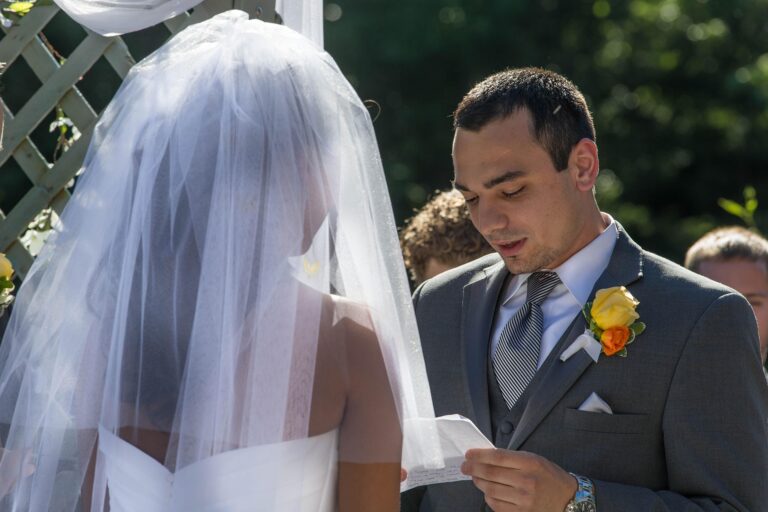
What Should Couples Discuss Before Marriage? 10 Essential Topics
Getting married means joining two lives that were shaped by different families, experiences, habits, expectations, and sometimes different cultures or beliefs. Before marriage, couples should have open conversations about money, children, faith, family, intimacy, careers, conflict, where they will live, and what they expect from each other as husband and wife. You do not have to agree on everything. You do need to understand each other and know how you will work through the things you see differently.

Marriage can be one of the best decisions you ever make, but a strong marriage does not happen automatically because you love each other on your wedding day.
Two people can love each other deeply and still have very different ideas about finances, raising children, religion, family involvement, intimacy, work, and even what being married is supposed to look like.
As a wedding officiant, I believe some of the most valuable conversations happen before the ceremony. These discussions are not about finding reasons you should not get married. They are about understanding the person you are marrying and beginning your marriage with openness rather than assumptions.
Here are 10 topics I believe every couple should discuss before saying, “I do.”
1. Money & Finances
Money problems are rarely just about dollars. They can involve trust, security, independence, priorities, habits, and expectations.
One person may have grown up in a family where every dollar was carefully budgeted. The other may have grown up in a home where money was spent much more freely. Neither person necessarily sees their approach as unusual because it is what they have always known.
Talk about your finances openly before marriage, including income, debt, credit, savings, spending habits, and financial goals.
Ask each other:
- Will we combine our finances, keep separate accounts, or use a combination?
- What debts are each of us bringing into the marriage?
- How much should we save?
- At what dollar amount should we discuss a purchase before making it?
- What are our long-term financial goals?
You do not need identical spending habits. You need a financial system that both of you understand and respect.
2. Children & Parenting
Do not assume you both have the same vision of children and family life simply because you have talked about wanting kids.
Discuss whether you want children, approximately when, how many you hope to have, and how you believe they should be raised.
If one or both of you already have children, the conversation becomes even more important. Talk about the role a stepparent will have, discipline, responsibilities, relationships with former spouses or partners, and boundaries between households.
Ask each other:
- Do we both want children?
- What happens if having biological children becomes difficult?
- How do we feel about adoption or fertility treatment?
- How do we believe children should be disciplined?
- What values, traditions and beliefs do we want to teach them?
You will not be able to predict every parenting decision before marriage. But you should know whether you are starting from reasonably compatible expectations.
3. Faith, Values & Beliefs
Faith may be central to one person’s life and less important to the other. Some couples share the same religion but practice it differently. Others come from completely different religious backgrounds.
These differences do not automatically prevent a strong marriage, but ignoring them can create problems later—especially when children enter the picture.
Talk about worship, prayer, holidays, religious traditions, and the role you want faith to have in your home.
Ask each other:
- What role does faith have in our marriage?
- Will we attend church or religious services together?
- How will we raise our children?
- Which religious holidays and traditions will we observe?
- Are there beliefs or values on which neither of us is willing to compromise?
The goal isn’t to win a religious argument. It is to understand what your future spouse genuinely believes and why it matters to them.
4. Family & Boundaries
When you marry someone, their family usually becomes part of your life too.
Parents, siblings, children, former spouses, holidays, family traditions and expectations can all affect a marriage.
One person may expect to see family several times a week. The other may consider once a month plenty. One may expect every Christmas morning to be spent with their parents because that is what their family has always done.
Talk about these expectations before they become arguments.
Ask each other:
- How involved will our families be in our lives?
- Where will we spend major holidays?
- What information about our marriage stays between us?
- How will we handle a family member who interferes with our marriage?
- When a spouse and a parent disagree, where are the boundaries?
Your spouse should never feel as though they are competing with your family for their place in your life.
Marriage creates a new family unit. Protect it.
5. Where & How You Will Live
This sounds obvious, but couples sometimes spend more time planning the wedding venue than discussing where and how they actually want to live.
Do you want a house or apartment? City or suburbs? Arizona or another state? Is living close to family important? Would either of you relocate for a career?
Then there are everyday expectations.
Who cooks? Who cleans? Who handles the bills? Who does the grocery shopping? What does “clean” even mean to each of you?
Ask each other:
- Where do we want to live during the next five or ten years?
- Would either of us move for the other’s career?
- How will we divide household responsibilities?
- What kind of lifestyle are we trying to build?
- How important is owning a home?
Marriage involves plenty of ordinary Tuesdays. Make sure you have talked about what those ordinary days might look like.
6. Conflict, Pride, Apologies & Kindness
You are going to disagree.
A successful marriage is not one without arguments. What matters is how you treat each other when you disagree.
Your spouse is not your opponent.
An argument is not a contest that one person has to win. If winning requires humiliating, insulting or hurting the person you married, nobody really won.
Learn to listen instead of simply waiting for your turn to speak. Be willing to admit when you are wrong. Apologize. Forgive. Put pride aside.
And pay attention to how you speak to each other.
People are what you encourage them to be, not what you nag them to be.
Constant criticism rarely brings out the best in someone. Encouragement, appreciation and kindness usually accomplish far more.
Talk about:
- How do each of us react when we’re angry?
- Do we need time to cool down before discussing a problem?
- What words or behaviors should always be off-limits?
- Are we both capable of saying, “I was wrong”?
- Can we disagree without disrespecting each other?
Being right is sometimes far less important than being kind.
7. Intimacy & Affection
Physical affection and sexual intimacy are important parts of many marriages, yet couples can be surprisingly uncomfortable discussing them.
That is a mistake.
Talk respectfully and openly about affection, sex, expectations, frequency, boundaries, and what helps each of you feel wanted and loved.
And understand that intimacy needs attention throughout a marriage.
Life gets busy. Careers, children, stress, health issues and responsibilities can gradually push physical affection aside if you allow them to.
There is also nothing wrong with wanting to remain attractive to your spouse. Staying active, taking care of yourself and making an effort with your appearance can be good for your own health and confidence while also showing your spouse that the romantic part of your relationship still matters.
Ask each other:
- What makes each of us feel loved and desired?
- How important is regular physical affection?
- Can we comfortably talk about our sexual relationship?
- How will we protect time for intimacy when life gets busy?
- How do we tell each other when our needs aren’t being met?
Intimacy should never become an obligation or a weapon. It should remain an area where both people feel loved, respected, wanted and safe communicating with each other.
8. Careers, Goals & Sacrifices
Marriage combines two futures, not just two current lives.
One person may want to build a business. Another may want to return to school. A career opportunity could require relocation. One parent may eventually want to stay home with children.
Some goals will require sacrifices from both people.
Ask each other:
- Where do we each hope to be professionally in five or ten years?
- Would we relocate for a career opportunity?
- How much work is too much work?
- What happens if one person’s career temporarily needs to take priority?
- What personal goals do we want the other person to help us achieve?
The healthiest approach isn’t “my dream versus your dream.”
It is figuring out how two people’s dreams fit inside one marriage.
9. Friendship & Time Together
Your spouse should also be your best friend.
That does not mean you stop having close friends or individual interests. It means the person you married should be the person you trust, laugh with, confide in, enjoy being around and want beside you through life.
If you currently consider someone else—especially someone of the opposite sex—the person with whom you primarily share your deepest personal thoughts and relationship problems, think carefully about how that dynamic will affect your marriage over time.
Problems within your marriage should first be worked through within your marriage, not routinely vented to someone who may gradually become emotionally closer to you than your spouse.
Continue dating after you are married.
Go to dinner. Dance. Take a walk. Watch a movie. Try something new. Laugh together. Find things you genuinely enjoy doing together.
Do not allow your entire relationship to eventually become:
“Did you pay the electric bill?”
“Who is picking up the kids?”
“What do we need from the grocery store?”
A household requires management.
A marriage requires a relationship.
10. What Marriage Means to Each of You
This may be the most important conversation on the list.
Ask your future spouse:
What does being married mean to you?
The answer may reveal expectations you have never discussed.
What does loyalty mean?
What does being a good husband or wife mean?
How much independence should each person have?
What behaviors would feel like betrayal even if they don’t technically involve an affair?
How will decisions be made?
What does “for better or worse” actually mean when life becomes difficult?
You are entering the same marriage. Make sure you have a reasonably similar understanding of what that marriage represents.
Then ask one more question:
What can I do to help create the kind of marriage we both want?
That question changes the focus from what you expect to receive from marriage to what you are willing to contribute to it.
Your wedding day is not the completion of your relationship.
It is the beginning of your marriage.
You Don’t Have to Have Everything Figured Out
You won’t solve every future disagreement before getting married, and you shouldn’t expect to.
People change. Careers change. Families change. Children arrive. Health changes. Financial circumstances change. Life will present situations neither of you could have predicted on your wedding day.
The important thing is learning how to talk openly, listen carefully and approach problems as two people on the same team.
You were raised by different people, had different experiences and developed different habits. Even siblings raised under the same roof can argue like cats and dogs. It would be unrealistic to expect two adults from different backgrounds to combine their lives without occasionally disagreeing.
A strong marriage takes continuing effort, understanding, affection, friendship, forgiveness and a willingness to keep choosing each other.
And that work doesn’t end when you say, “I do.”
Planning Your Arizona Wedding Ceremony?
The ceremony should reflect who you are as a couple—not simply follow a script that could belong to anyone.
As an Arizona wedding officiant, I help couples create ceremonies ranging from simple legal weddings and elopements to personalized traditional and Christian ceremonies, including help with personal vows and the ceremony itself.
If you’re preparing to get married in Scottsdale, Phoenix or elsewhere in Arizona, AZ Wedding Officiant can help you create a ceremony that feels like yours.
✨ Your Love Story, Your Ceremony, Your Way.
Frequently Asked Questions About Topics to Discuss Before Getting Married
What should couples discuss before getting married?
Couples should discuss finances, children, parenting, faith, family boundaries, living arrangements, conflict, intimacy, careers, friendship and what marriage means to each person. The goal is not to agree on everything but to understand each other’s expectations before marriage.
What are the most important questions to ask before marriage?
Some of the most important questions involve children, money, debt, religion, family involvement, intimacy, career goals, where you will live and how you will handle disagreements. Couples should also discuss what loyalty, partnership and being a good spouse mean to each of them.
Should couples talk about money before marriage?
Yes. Couples should openly discuss income, debt, credit, savings, spending habits, bank accounts and financial goals before marriage. Different approaches to money can work, but hidden debts or completely different financial expectations can create unnecessary problems.
Should couples discuss intimacy before getting married?
Yes. Couples should be comfortable discussing physical affection, sexual intimacy, expectations, boundaries and how they will communicate when their needs differ. Intimacy can change throughout a marriage, which makes open and respectful communication especially important.
What if we disagree about some things before marriage?
Disagreement does not automatically mean two people are incompatible. The more important question is whether you can discuss differences respectfully, understand each other’s position, compromise when appropriate and make important decisions together.
Should religion be discussed before marriage?
Yes, particularly if faith is important to either person. Couples should discuss religious practices, holidays, church attendance, prayer and how they would raise future children.
How can couples prepare for marriage besides planning the wedding?
Spend time discussing the life you will have after the wedding. Talk about finances, family, children, careers, household responsibilities, intimacy, conflict and long-term goals. Premarital counseling or conversations with a trusted clergy member or qualified counselor can also be valuable.
What is the most important thing to understand before getting married?
Understand that marriage is a partnership that will continue to require communication and effort after the wedding. Instead of only asking what you expect from your spouse, ask, “What can I do to help create the kind of marriage we both want?”